
"coffee farmer skin"
2000 article(s) found

Introduction of Rwanda Coffee Flavor producing area Lutexilo, West Province of Malaba Coffee
The biggest harvest season for Rwandan coffee is during the main rainy season, from March to the end of May. During the harvest season, farmers spend most of their day picking coffee fruits by hand. In the afternoon, farmers carry coffee fruits in traditional baskets made of banana leaves to a cleaning station a few hours away. The craftsman picks the best quality coffee fruit with crimson by hand.
Boutique coffee Rwanda coffee origin Rwanda coffee practice
Rwandans have been growing coffee since colonial times, but until 1999, its products were still classified as below Class C and were not popular in the global market. The reason for the poor quality is that farmers do not have a fixed procedure for washing coffee beans and do not process coffee fruits according to specifications in time. Buyers buy coffee beans at $0.33 per kilogram, and farmers keep warm by the meagre profits earned at low prices.

Fine coffee Rwanda coffee manor Rwanda coffee producing area
Rwandans have been growing coffee since colonial times, but until 1999, its products were still classified as below Class C and were not popular in the global market. The reason for the poor quality is that farmers do not have a fixed procedure for washing coffee beans and do not process coffee fruits according to specifications in time. Buyers buy coffee beans at $0.33 per kilogram, and farmers keep warm by the meagre profits earned at low prices.

Boutique Coffee Rwanda Coffee Manor 1756 members small farmers
Rwandans have been growing coffee since colonial times, but until 1999, its products were still classified as below Class C and were not popular in the global market. The reason for the poor quality is that farmers do not have a fixed procedure for washing coffee beans and do not process coffee fruits according to specifications in time. Buyers buy coffee beans at $0.33 per kilogram, and farmers keep warm by the meagre profits earned at low prices.

Introduction to the production process of Malaba Coffee in Rwanda A brief introduction to Chimere Manor
The biggest harvest season for Rwandan coffee is during the main rainy season, from March to the end of May. During the harvest season, farmers spend most of their day picking coffee fruits by hand. In the afternoon, farmers carry coffee fruits in traditional baskets made of banana leaves to a cleaning station a few hours away. The mechanic uses his hands to make the best quality coffee with crimson color.
The production process of Rwandan coffee beans how is high-quality Rwandan coffee produced? Rwanda
The biggest harvest season for Rwandan coffee is during the main rainy season, from March to the end of May. During the harvest season, farmers spend most of their day picking coffee fruits by hand. In the afternoon, farmers carry coffee fruits in traditional baskets made of banana leaves to a cleaning station a few hours away. The mechanic uses his hands to make the best quality coffee with crimson color.

Introduction to the flavor and taste of the coffee producing area of Rwanda Coffee Manor the characteristics of Rwandan coffee in Kimmel Manor
The sink technician in the process will clean the coffee immediately because the delay will ferment the sugary outer layer of the coffee beans, ruining the taste of the coffee. The coffee beans are first thrown into a deep trough, and the best quality coffee fruit goes into the bottom and passes through a machine that peels off its skin. The mechanic takes out the floating coffee fruit, processes it in the same way and allows the cooperative to compare it in the domestic market.

The production process of Rwandan coffee beans introduces how high-quality Rwandan coffee is produced? Lou
The biggest harvest season for Rwandan coffee is during the main rainy season, from March to the end of May. During the harvest season, farmers spend most of their day picking coffee fruits by hand. In the afternoon, farmers carry coffee fruits in traditional baskets made of banana leaves to a cleaning station a few hours away. The mechanic uses his hands to make the best quality coffee with crimson color.

Introduction to the characteristics of Rwanda Coffee Flavor and Flavor Manor
The biggest harvest season for Rwandan coffee is during the main rainy season, from March to the end of May. During the harvest season, farmers spend most of their day picking coffee fruits by hand. In the afternoon, farmers carry coffee fruits in traditional baskets made of banana leaves to a cleaning station a few hours away. The mechanic uses his hands to make the best quality coffee with crimson color.
Rwandan coffee is the best coffee in Rwanda.
Rwandans have been growing coffee since colonial times, but until 1999, the product was classified as below grade C and was not available on the global market. The reason for the poor quality is that farmers do not have a fixed procedure for cleaning coffee beans, and they do not process coffee fruits according to specifications in time. Buyers pay $0.33 a kilo for coffee beans, farmers keep warm on meager profits from low prices

Boutique coffee Rwanda coffee flavor red apple, cherry, cinnamon, honey
Rwandans have been growing coffee since colonial times, but until 1999, its products were still classified as below Class C and were not popular in the global market. The reason for the poor quality is that farmers do not have a fixed procedure for washing coffee beans and do not process coffee fruits according to specifications in time. Buyers buy coffee beans at $0.33 per kilogram, and farmers keep warm by the meagre profits earned at low prices.

Fine coffee Rwanda coffee producing area Western Province Lutexiluo producing area
Rwandans have been growing coffee since colonial times, but until 1999, the product was classified as below grade C and was not available on the global market. The reason for the poor quality is that farmers do not have a fixed procedure for cleaning coffee beans, and they do not process coffee fruits according to specifications in time. Buyers pay $0.33 a kilo for coffee beans, farmers keep warm on meager profits from low prices

Fine coffee Rwanda coffee treatment method washing, elevated scaffolding sun drying
Rwandans have been growing coffee since colonial times, but until 1999, its products were still classified as below Class C and were not popular in the global market. The reason for the poor quality is that farmers do not have a fixed procedure for washing coffee beans and do not process coffee fruits according to specifications in time. Buyers buy coffee beans at $0.33 per kilogram, and farmers keep warm by the meagre profits earned at low prices.

The production process of coffee beans in Rwanda: how is high-quality coffee produced?
Then the mechanic transported the coffee beans to the technology center near Chez. Some machines installed in warehouses on the hills remove the cutin from coffee beans. The staff sent the coffee beans to nearby research institutes for final quality control-manual sorting, which was carried out by several experienced women. After bagging and labeling according to its quality, the coffee beans can be stored in the warehouse to wait.

Details of coffee beans that you need to pay attention to when buying raw coffee beans
How to buy raw beans? What kind of raw beans are good raw beans? Raw bean sellers (usually coffee farmers or processing plants that deal with raw beans) must be responsible for the grading of coffee beans before they are sold to buyers (usually importers, brokers, or bean merchants). Once the grading is completed, the two grades of coffee are "Exceptional" and "Specialty".

Geo-climatic production process of coffee in Rwanda
Malaba Coffee grows in southern Rwanda, about 12 kilometers (7 miles) from the city of Butare and 150 kilometers (93 miles) from the capital, Gejali. The plan began in the Malaba area of Butare province, but was taken over by a local government organization in 2006, which is now part of the Huye district of the southern province. Due to its proximity to the East African Rift Valley and the Neuenway Forest Mountains, the terrain
Coffee Bean knowledge Coffee Raw Bean
Sellers of raw beans (usually coffee farmers or processing plants that deal with raw beans) must be responsible for the grading of coffee beans before they are sold to buyers (usually importers, brokers, or bean merchants). Once the classification is completed, there will still be some coffee beans of "Exceptional" and "Specialty" that will not be included in the classification.
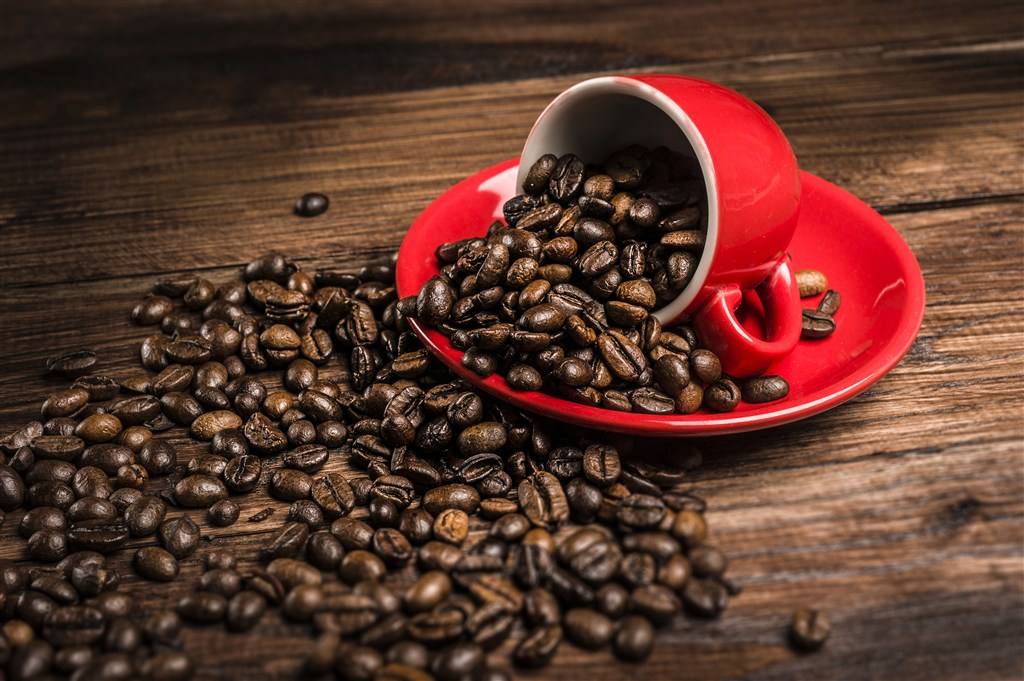
Rwandan coffee flavor aroma, Rwandan coffee bean output
Pay attention to the coffee review (Weixin Official Accounts vdailycom ) and find that the taste of Rwandan coffee is described as grassy aroma with tropical climate characteristics. In addition to the fruity sweetness of this coffee, it can also make people taste refreshing, clear and fresh. Bourbon coffee grown in Rwanda is amazing for its fruity sweetness

Rwanda Coffee Production Process Geography Climate
Maraba coffee is grown in southern Rwanda, about 12 km (7 mi) from Butare and 150 km (93 mi) from the capital, Gigali. The project began in the Malaba area of Butare province, but was succeeded by local government organizations in 2006, and the area is now part of the Huye region of Southern province. Due to its proximity to the Great Rift Valley and the Newway Forest Mountains, the terrain of this zone
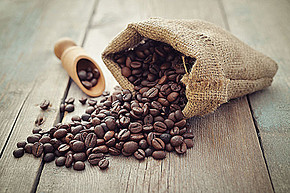
What are the characteristics of coffee in Rwanda
Following Kaiping (official Wechat account vdailycom) found that the coffee harvest season for coffee fruits at the beautiful cafe opened its own shop is during the main rainy season in the area, from March to the end of May. During the harvest season, farmers spend most of their day picking coffee fruits by hand. In the afternoon, the farmer held the coffee fruit in a traditional basket made of banana leaves.